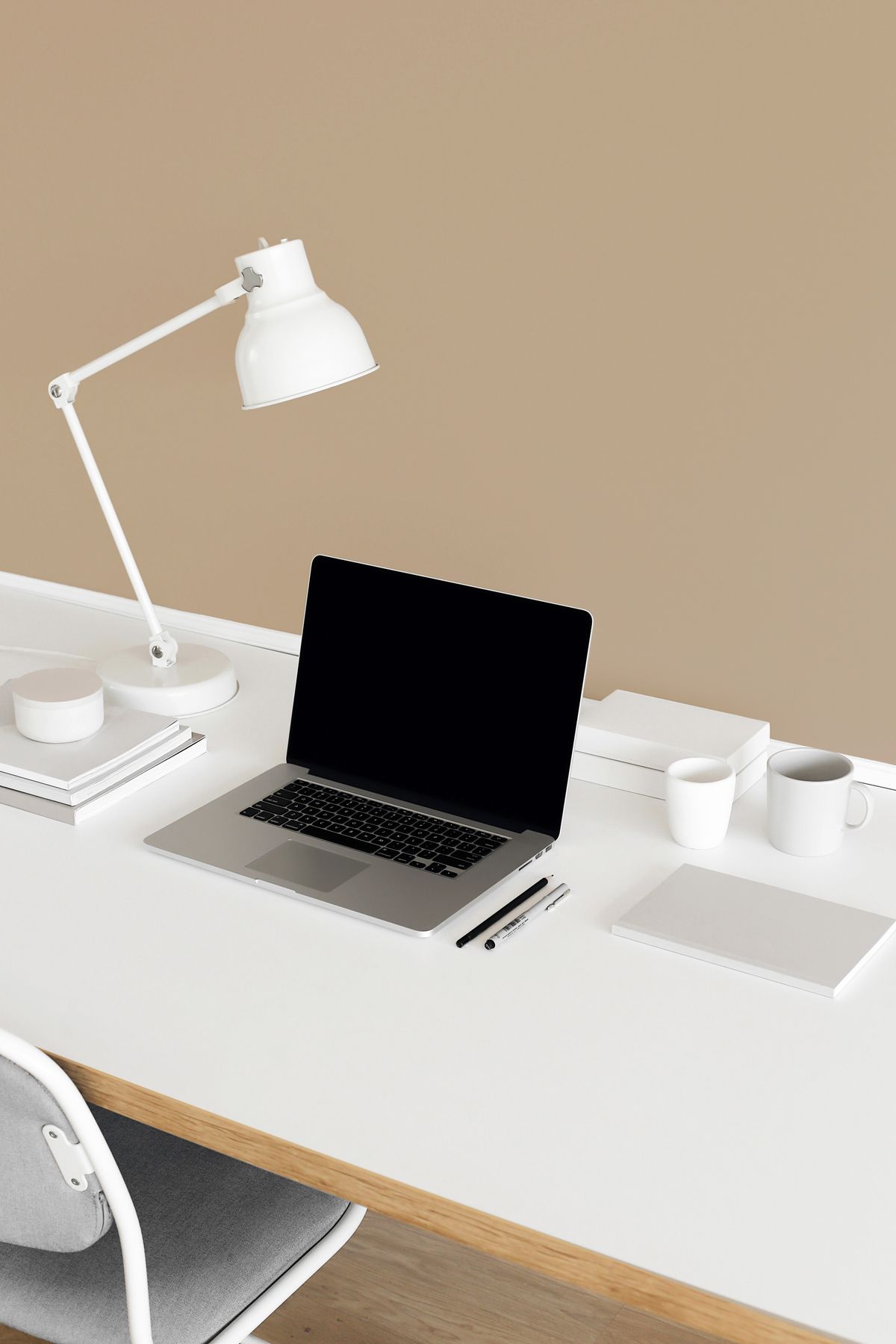
Noise in a shared home is not one problem. A dishwasher produces a relatively steady sound; a conversation next to the desk changes constantly; a doorbell creates a brief interruption. Before moving furniture or buying acoustic products, identify which sounds most often interrupt the work you actually do.
For reading and writing, distance from the busiest route may help more than a larger desk. A bedroom corner away from the kitchen can be useful even if it is less spacious. For calls, the microphone's position and the sound reaching other participants also matter. A test call can reveal a fan or appliance that is less noticeable to the person sitting beside it.
Use the schedule as part of the room
Agree on a few periods when quiet is particularly valuable, such as an interview or a presentation. A clear signal at the doorway can avoid repeated verbal reminders. Keep the request specific: “call until 11” is easier to accommodate than an undefined expectation of silence all day.
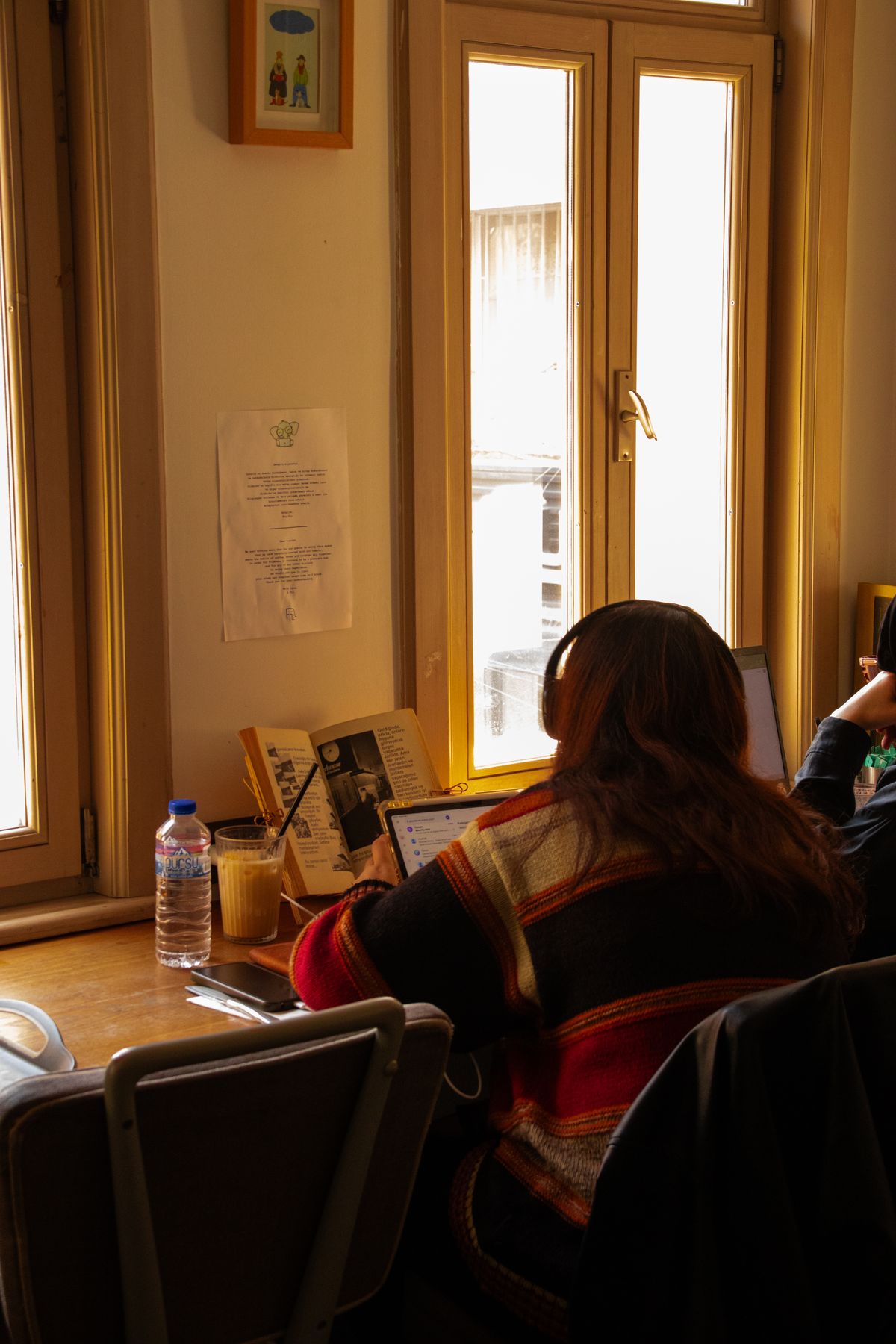
If two people need to speak at the same time, choose a second location for one call when possible. A headset keeps the other side of a conversation from playing aloud, but it does not eliminate the wearer's voice. Noise-canceling headphones may reduce some sounds for the listener; they do not soundproof the room for everyone else.
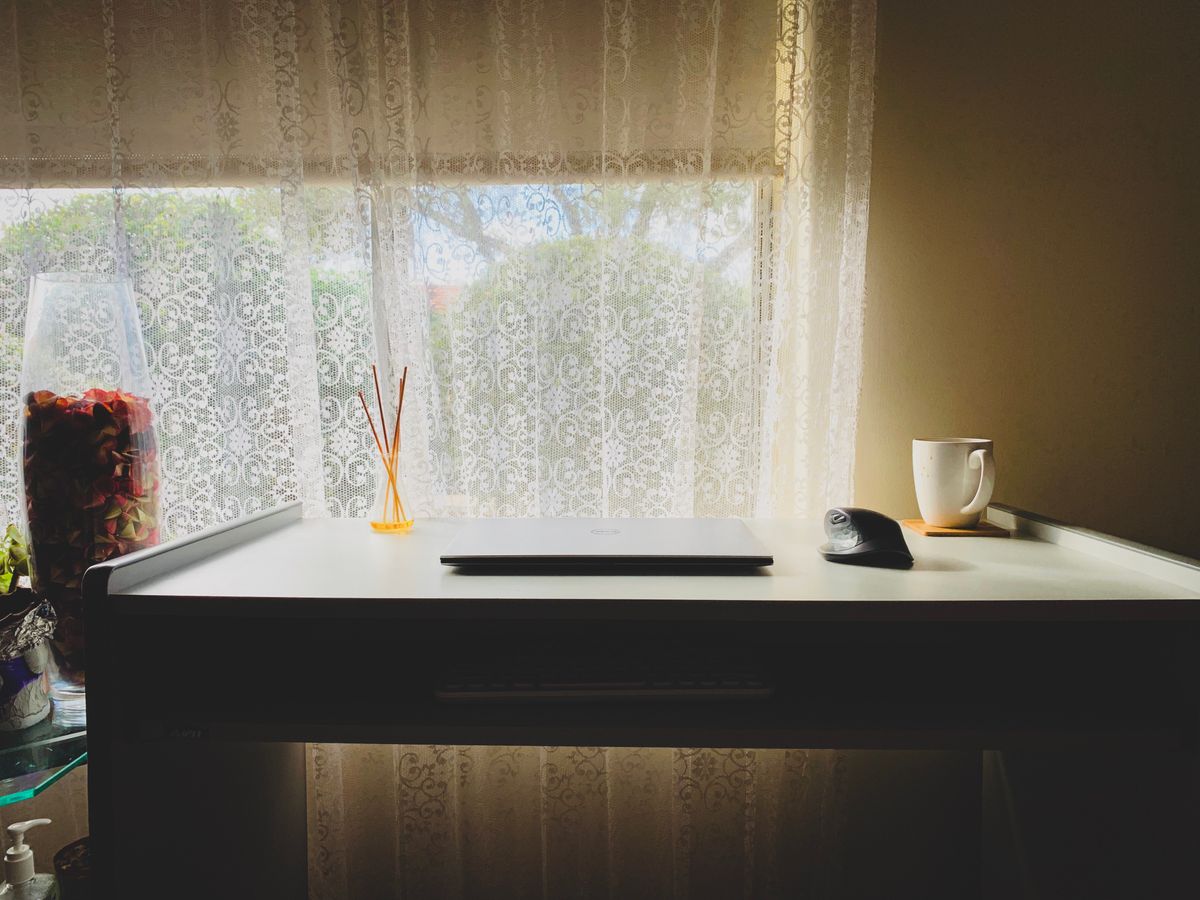
Soft furnishings can change the way a room sounds. Curtains, upholstered furniture and a rug may reduce some hard reflections, depending on the space. They are not a guarantee that speech will be contained. Do not cover vents, heaters or electrical equipment in an attempt to absorb sound, and use products only in locations where they are suitable.
Reduce the avoidable interruptions
Move frequently shared supplies out of the immediate desk area so that others do not need to reach across your work. Give incoming mail and household messages a separate place. If every question requires someone to approach the keyboard, the problem is partly the room's organization.
For concentrated work, silence notifications that are not needed and choose a realistic length of uninterrupted time. A home with children, visitors or caring responsibilities may not support the same routine every day. Plan an alternative for tasks that cannot tolerate interruption rather than treating the room arrangement as a complete solution.
The most workable quiet desk is often unremarkable: a less busy corner, a door that can be closed when appropriate, a headset for calls and an agreed signal. Those choices address actual sources of disturbance instead of surrounding the desk with products that promise more than the space can deliver.