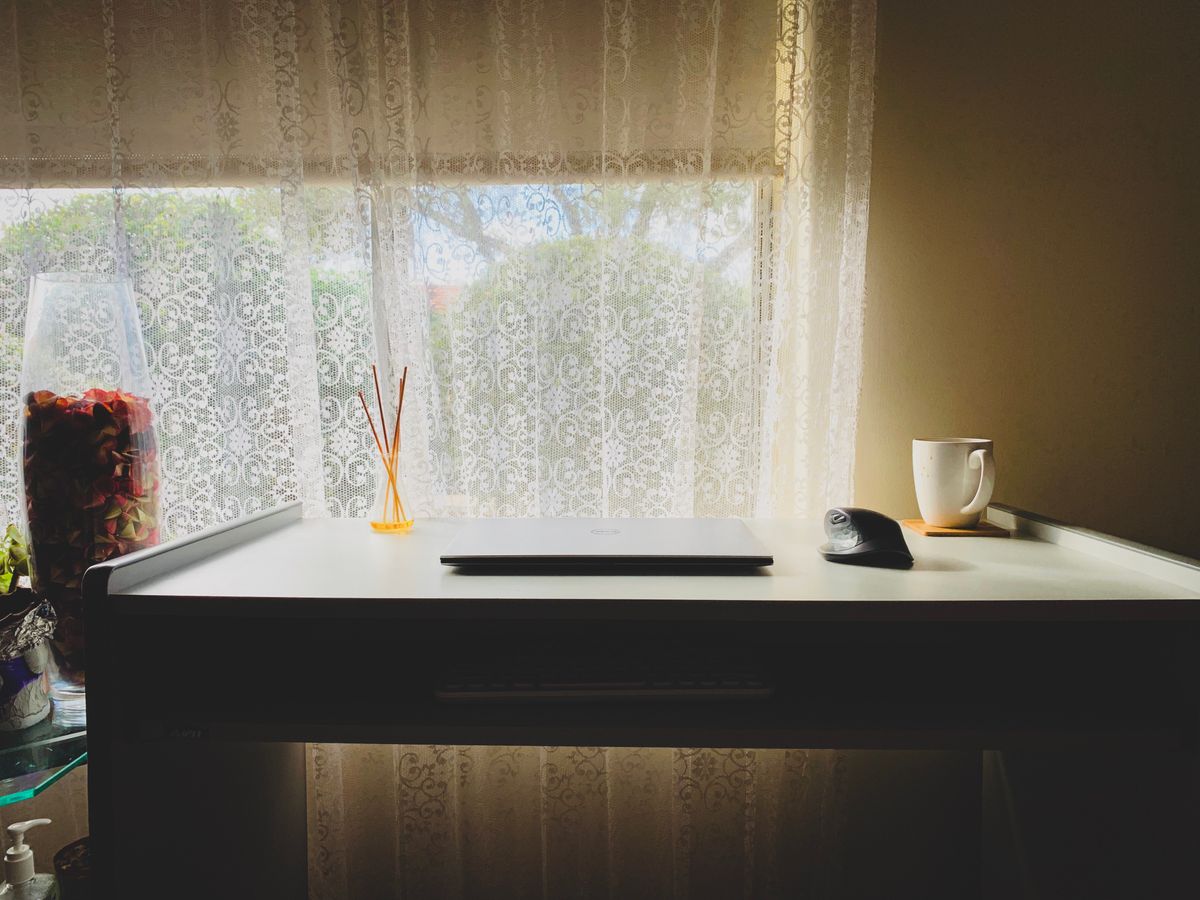
A wall shelf can appear to solve a difficult room: no legs, little visual bulk and exactly the right width for an alcove. But a shelf intended to display objects may not be designed for someone leaning against its front edge, typing every day or attaching a monitor arm. Before calling it a desk, establish what the product and its installation are intended to support.
The shelf's rated load is only part of that answer. The rating may assume a particular span, bracket arrangement, wall construction and distribution of weight. Changing any of those can change the installation. A number on the shelf listing does not certify an improvised combination of board, brackets and wall anchors.
Ask about the complete assembly
Find the manufacturer's instructions for the intended use. Check whether it is sold as a work surface and whether the supports and fasteners are specified. The wall may need structural backing or an installation method that is not obvious from its painted surface. If you cannot identify the wall construction and suitable fixing method, get qualified help rather than selecting anchors by appearance.
Include the weight of the surface, monitor, computer and accessories where the instructions require it. Consider where the load sits. A heavy item at the unsupported front edge is not equivalent to evenly spread books near the wall. Never use a person leaning or sitting on the shelf as a test of its capacity.
A fold-down surface adds hinges, latches and moving supports. These must lock or engage as designed before use. Keep hands clear of the mechanism, and make sure the closed surface cannot fall unexpectedly. Do not modify a latch or support to make the furniture fit a particular opening.
Check whether it works as a desk
Depth matters as much as strength. There must be enough space for the input devices and a usable viewing position, with cables able to turn behind equipment. A keyboard resting at the very front edge may leave little support for the hands or forearms. A monitor base that overhangs the shelf is not an acceptable way to gain room.
Check the underside for brackets that occupy knee space. Sit in the intended chair and consider how you will stand up without striking the supports. A narrow surface may suit brief laptop use but be poorly suited to the longer sessions you actually intend.
Lighting and power still need a plan. Keep the outlet accessible and do not run a cord through the wall or behind finishes as an improvised substitute for installed wiring. Leave required access to windows, controls and exits.
If the answers remain uncertain, a compact freestanding desk is often the simpler choice. The appeal of a floating surface should not depend on assumptions about its load capacity or installation. Use a purpose-designed product with clear instructions, or treat the shelf as storage and place the work somewhere else.