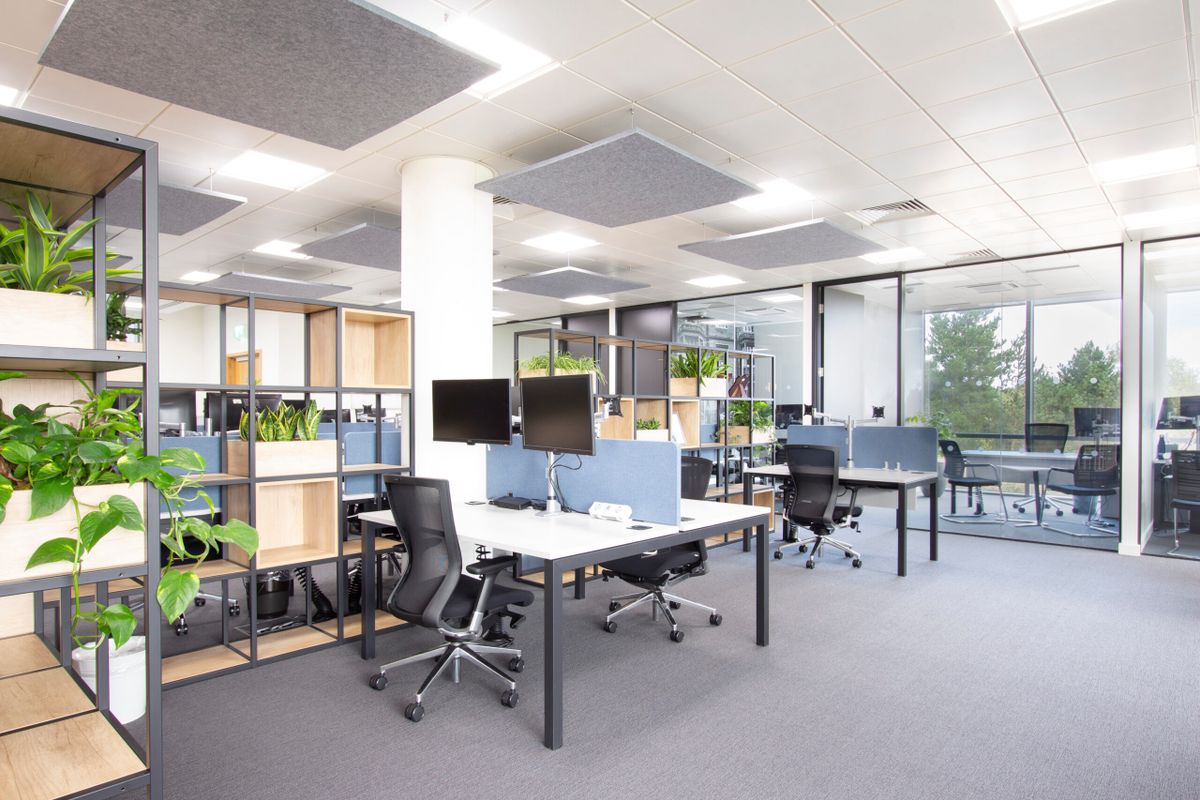
A desk reset should take less effort than the work it prepares for. If the routine requires removing every object, polishing the surface and rebuilding the layout, it is unlikely to survive a busy week. Focus on the things that would otherwise delay the next session.
Finish the current task to a sensible stopping point, save the work and leave a short note about what comes next. That note can be a line in a task list or a bookmark in the relevant file. It is more useful than leaving every document open as a reminder.
Put active paper into its project folder and move unrelated incoming material to its designated tray. Return borrowed supplies to their usual place. Remove used cups, food wrappers and anything that could spill or attract pests. These ordinary actions recover useful space without requiring a completely bare desk.
Keep the layout intact
Leave frequently used equipment where it works. A keyboard does not need to be stored every evening if the desk is dedicated to work. If the room has another purpose, use a small container for the items that must move and avoid stacking them against an unprotected screen.
Deal with cables only when something has changed. A loose charger can return to its holder, but there is no need to unplug and rewind every fixed connection each day. Follow equipment instructions for shutdown, charging and ventilation rather than applying the same routine to every device.
A quick glance under the desk can catch a dropped object or cable in the chair's path. Leave doors and drawers closed so that the room remains easy to move through. Sensitive documents should go into appropriate secure storage, and the computer should be locked when you leave it.
The routine is working when tomorrow begins with the intended task rather than yesterday's debris. If one step repeatedly gets skipped, simplify it. A smaller tray, a closer waste bin or a better place for a mug may solve more than a stricter personal rule.