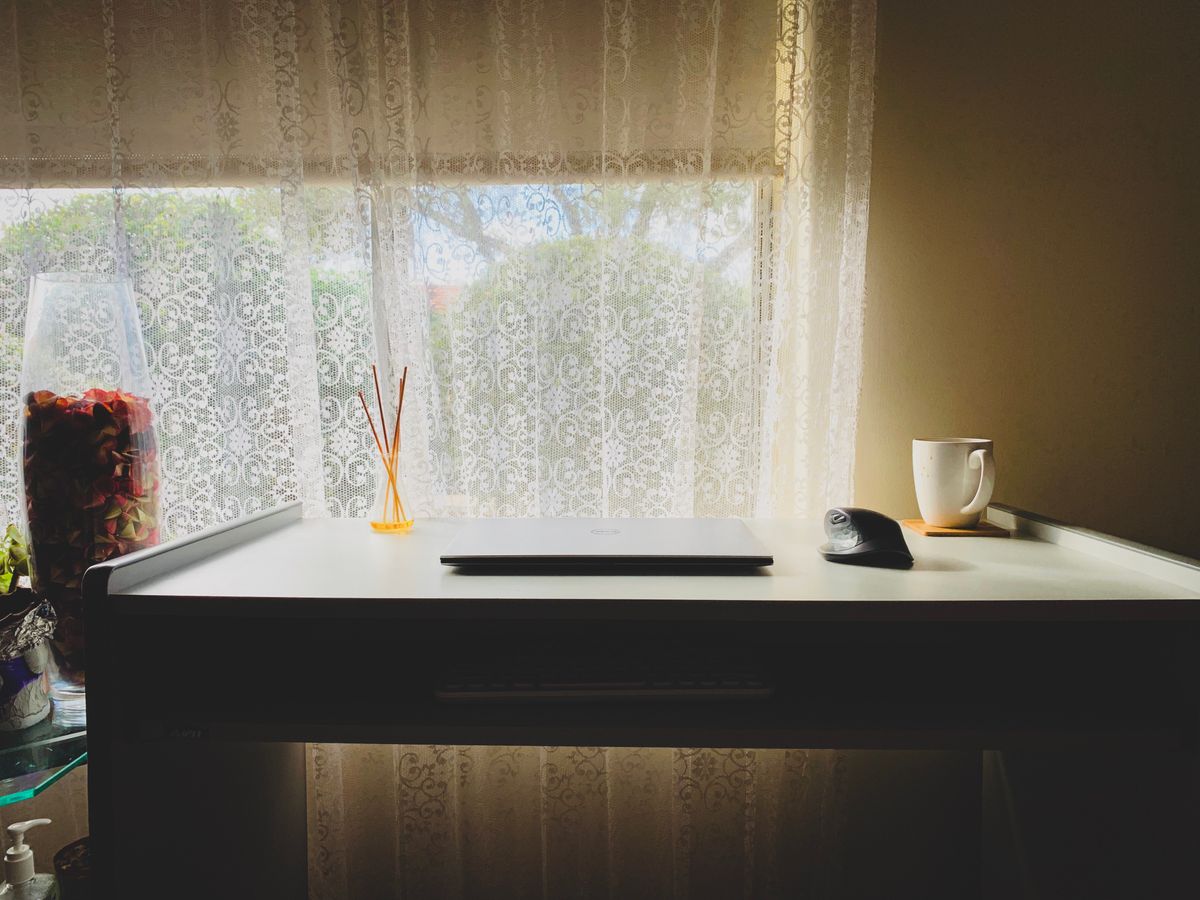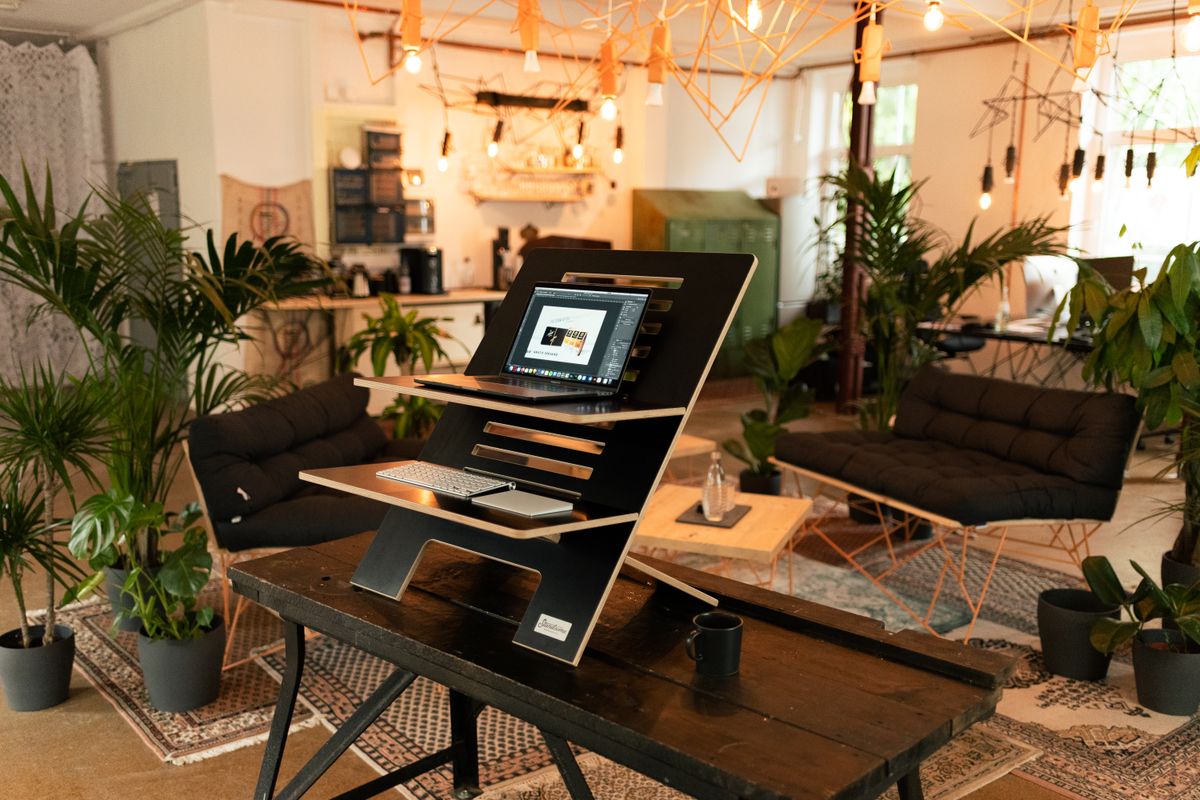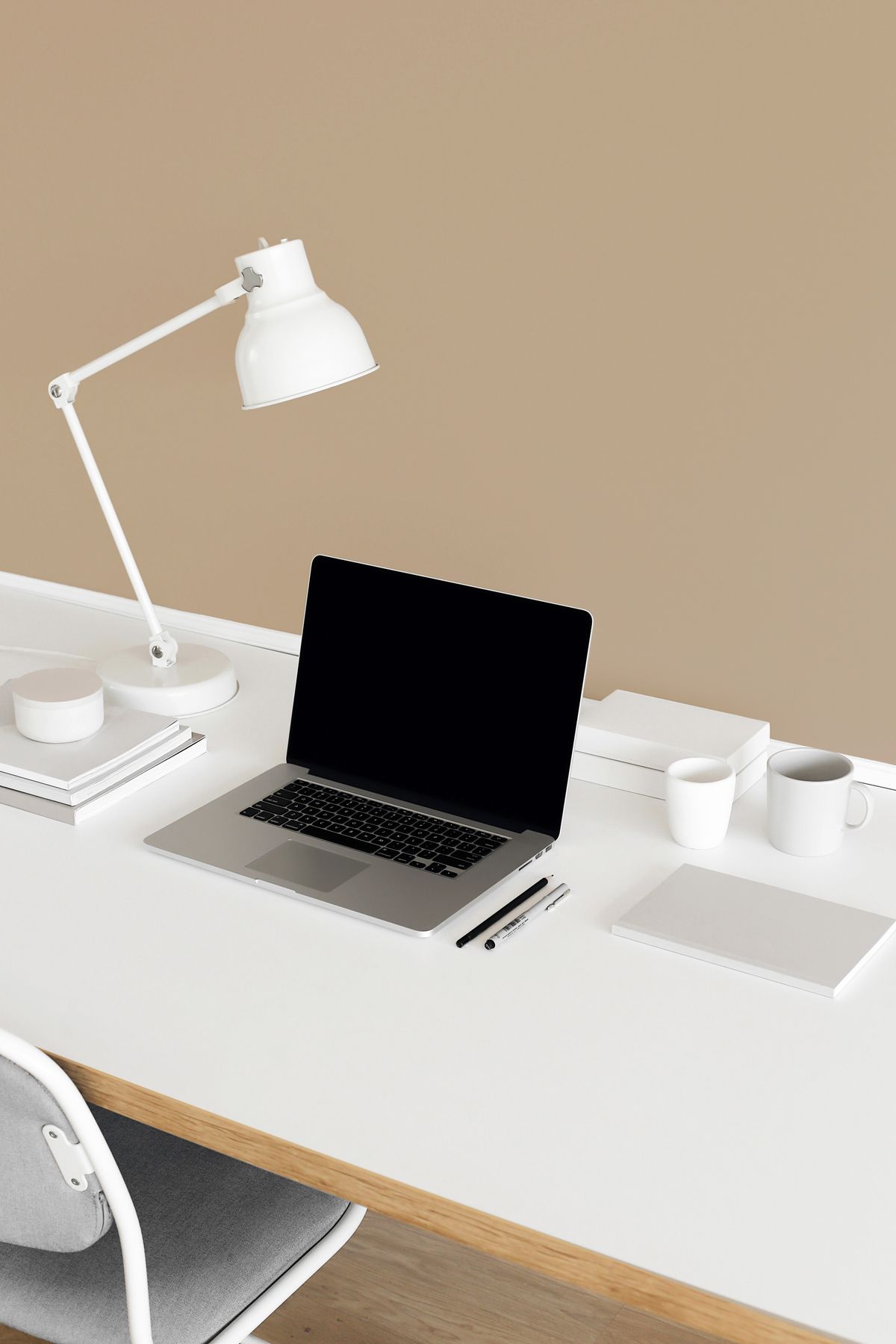
Temporary workspaces have a habit of becoming permanent piles. A dining-room corner is claimed for a short assignment, then sample materials, notes and cables spread into neighboring storage. The best time to define the boundary is before the project begins.
Write down what the project actually requires. Perhaps it involves a laptop, reference folders and space to compare printed pages. Perhaps it needs a second display but almost no paper. Make room for those activities rather than reproducing every feature of a permanent office. A temporary setup still needs stable furniture, suitable seating and a clear power route.
Separate current material from reserve material
Keep the files and objects being used today at the work surface. Store spare supplies, completed drafts and less-used reference material nearby but separately. A project box can work well if it has enough structure to keep papers upright and a label that identifies the work without exposing private details.
For a project with several stages, use a few status labels that reflect real decisions: to review, approved or ready to return, for example. Do not create more categories than you are likely to maintain. The purpose is to know what needs attention, not to build a miniature archive while the work is still changing.
Borrowed equipment needs its own record. Note who supplied it, which cables or accessories came with it and when it must be returned. Keep packaging where required, but do not allow empty cartons to block the work area. A photograph of the original contents can help with repacking, provided it does not capture sensitive information.
Plan the end while it is easy
Decide where the project's lasting records will go, what must be returned and what can be discarded under the relevant retention requirements. Put a review date in your normal calendar. It is easier to close down a defined setup than to discover months later that nobody knows which papers still matter.
The furniture should be reversible as well. Avoid temporary modifications that damage a shared table or require unsafe wiring. Check the finish before using adhesive clips or protective pads. A freestanding accessory that packs away may suit a short project better than a fixed installation, provided it gives stable support.
During the project, leave a short note about the next action before packing up. That helps when the workspace must be cleared between sessions. Keep active materials together so that reconstructing the task does not consume the first part of every workday.
When the assignment ends, process the contents rather than moving the entire pile into another room. Return the borrowed items, transfer retained records to their proper place and remove the temporary labels. The space is genuinely temporary only when the room can return to ordinary use without an unresolved project still living in a box.