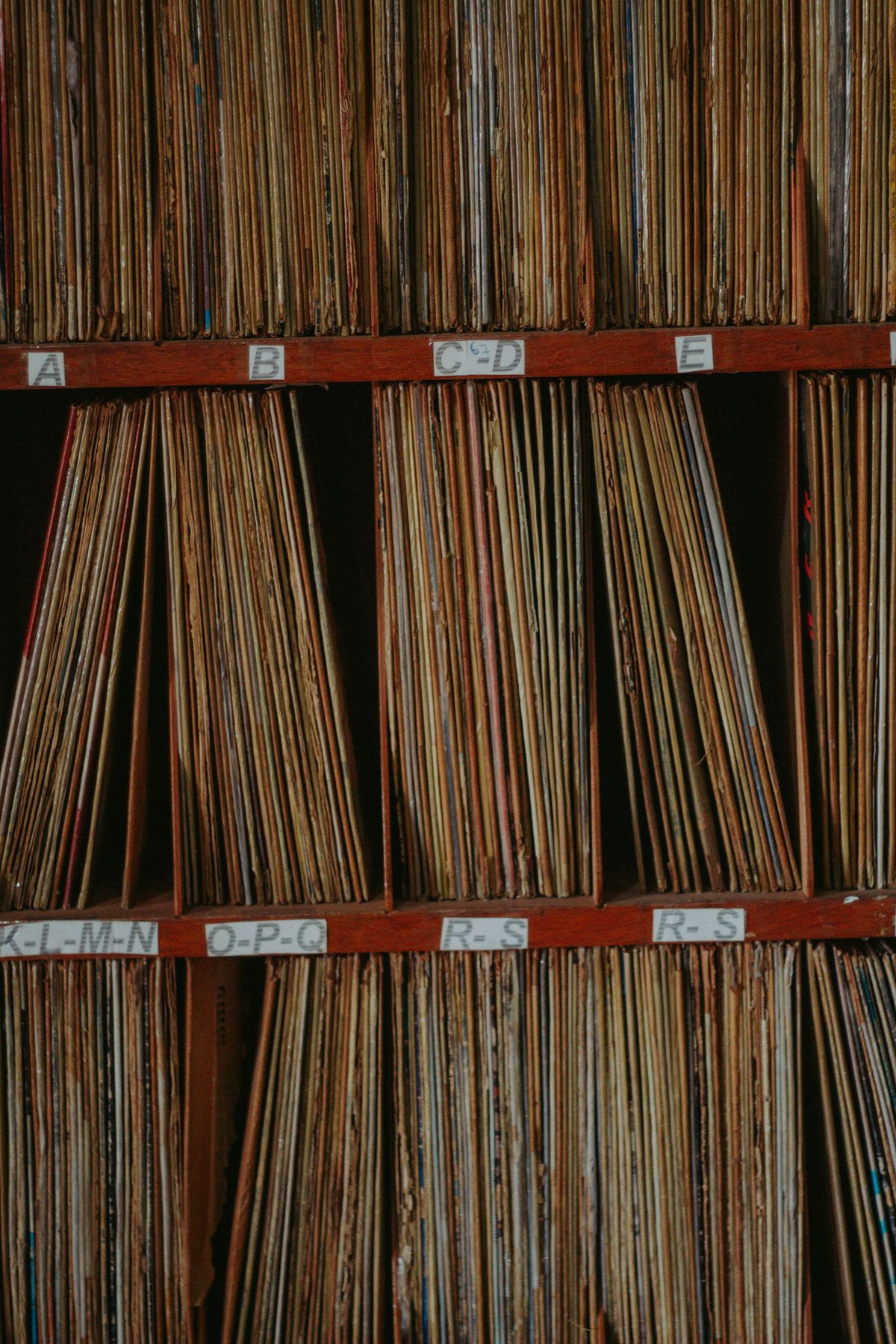
A label can be perfectly legible on the desk and disappear once the folder enters a drawer. The next folder covers it, a document stands higher than it, or the useful word sits at the far end of a narrow strip. Check tabs in the position where they will be read.
Start with a few loaded folders. Stand or sit where you normally retrieve them and look down the row. That view tells you more about the required type size and label position than examining an empty folder at eye level. Leave enough clearance for the drawer to close without bending the tabs.
Put the identifying word first. 'Printer — warranty' is easier to scan among equipment files than a series of labels all beginning 'Documents relating to.' Keep the same naming order for neighboring folders so the eye knows where to look. A date range can follow the subject when it helps distinguish otherwise similar files.
Choose a pattern you can maintain
Staggered tab positions can expose more labels, but they work only if new files can be inserted without disrupting the whole arrangement. A single tab position is easier to keep consistent; it may need more space between folders for browsing. Try both with a short row rather than committing the whole cabinet to an arrangement that looks attractive only when empty.
Use clear contrast and leave a little space around the words. If a name will not fit, shorten it thoughtfully or use a wider compatible tab. Shrinking the lettering until it is difficult to read defeats the purpose. Avoid abbreviations that require someone to remember a separate key.
Tabs also need to survive handling. Choose ones intended for the folder or divider, and check that inserts are fully seated. A loose paper label in a reusable holder should not slide out when a file is lifted. Adhesive tabs need a suitable surface and enough contact area; do not attach them to a fragile original document simply because it is convenient.
When a folder changes purpose, remove or cover its old identification completely. Keep spare inserts in the filing area so that updating a label is a small task. One clear name in the right place is enough. Extra stickers and color marks should earn their space by helping someone locate the file.