A staple is convenient until the packet must be scanned. A binder clip is convenient until several clipped packets have to fit in a shallow drawer. The right fastening method depends on what happens to the pages next, not just on whether it holds them together today.
For a short, finished packet, a staple can keep the pages in a stable order without much bulk. Check the stapler's supported staple type and sheet capacity, and remember that a capacity stated for ordinary paper may not apply to thick covers or mixed stock. Do not force a large stack through a small desktop stapler. A partly formed staple can catch fingers and tear paper.
Keep the fastening position clear of text and page numbers. Open the packet as a reader would and make sure the corner allows the pages to turn. If the document must later be scanned through an automatic feeder, someone will need to remove the staple completely first. For a workflow that scans every packet, that extra handling may make another method preferable.
Let working papers change easily
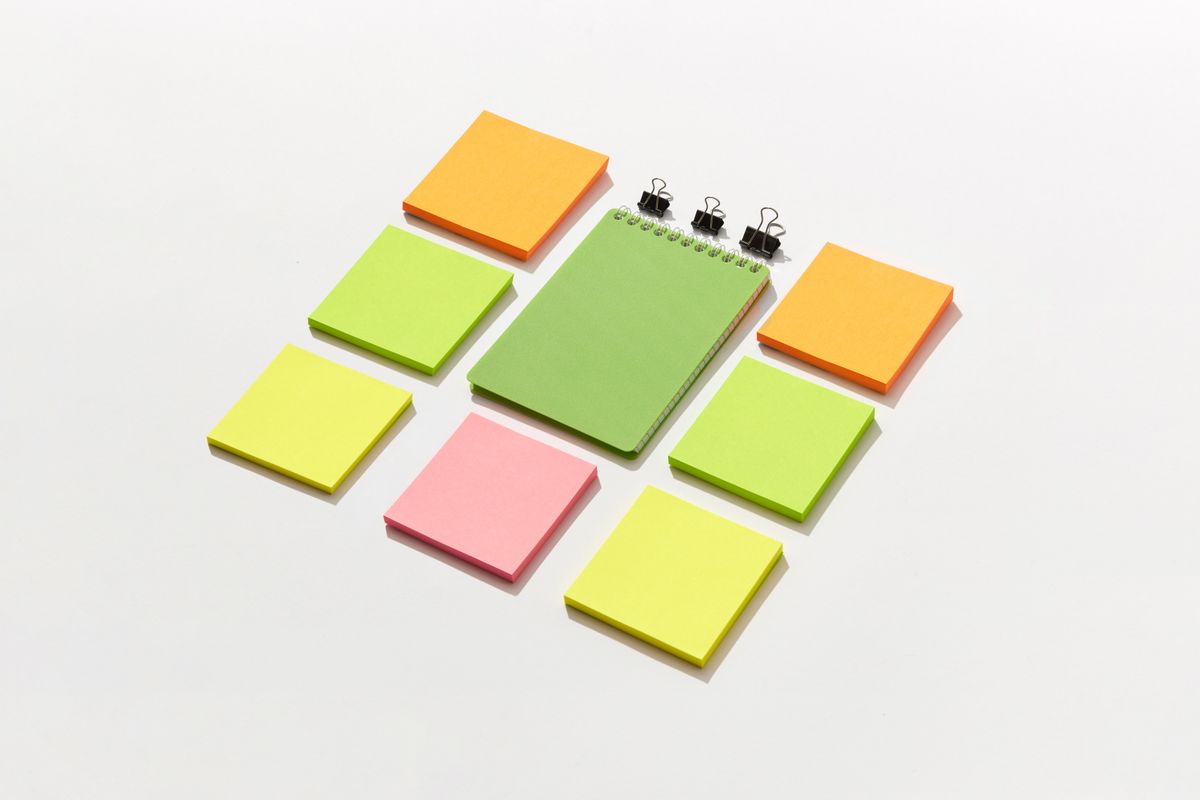
A paper clip suits a small group that will be rearranged, but its capacity is limited. A binder clip can hold a thicker temporary stack, although the handles and body add bulk. Try the clip on the actual papers and avoid forcing it beyond its intended opening. A clip that seems secure while lying flat may slip when the stack is carried vertically.
Use one clear fastening method per packet where possible. A stack with staples, clips and folded corners in different places becomes awkward to review and easy to separate incorrectly. If the pages are frequently divided into smaller groups, use named folders rather than repeatedly clipping and unclipping the same large bundle.
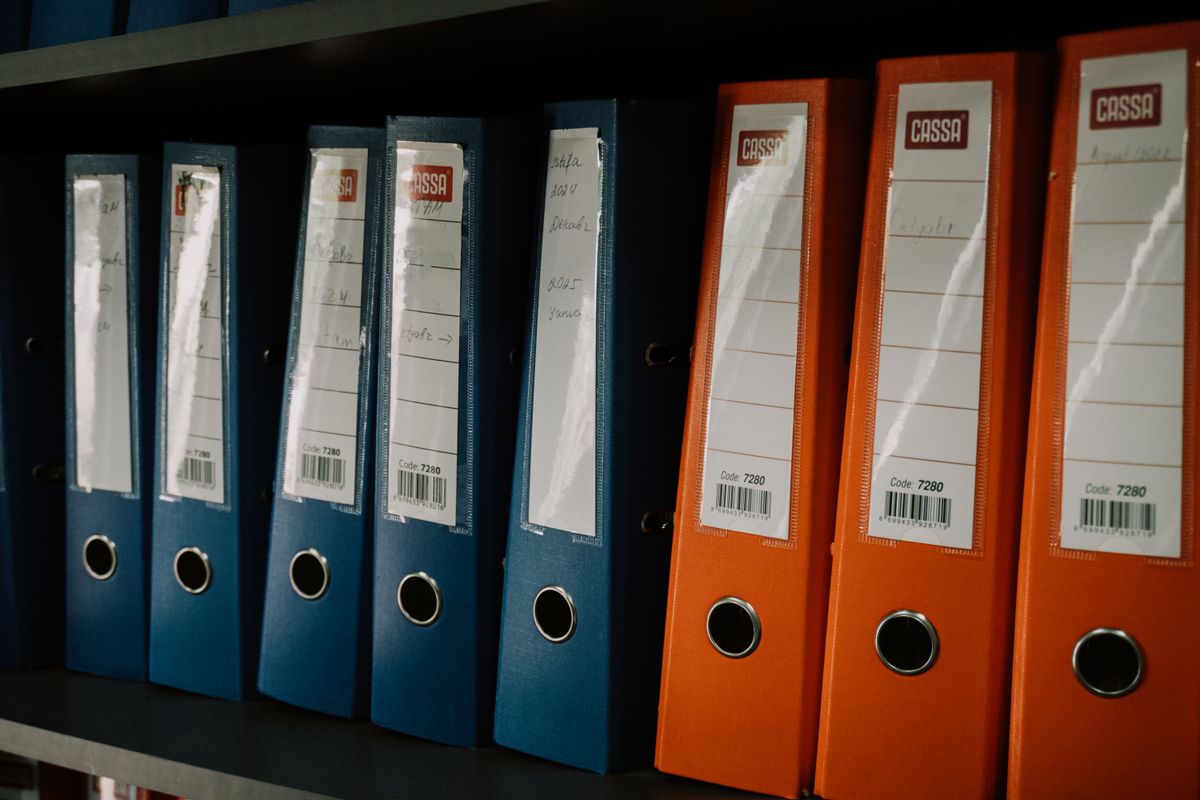
For a regularly updated reference set, a binder or appropriate folder fastener may be more useful. Check the paper size, hole pattern and amount of turning space. Punching through text to fit an unsuitable binder is not a worthwhile compromise. Keep original documents intact when their condition or purpose makes holes inappropriate.
Think about storage before finishing the stack
Metal fasteners can leave impressions or, under poor storage conditions, corrosion marks. Long-term or valuable originals may need a different approach from everyday working copies. Preservation guidance should determine how fragile or significant papers are housed; do not remove a deeply embedded or corroded fastener from a delicate document by force.
For ordinary office work, a final handling check is enough to catch many problems. Lift the packet, turn several pages and put it in its intended folder or envelope. Make sure nothing sharp protrudes and no page is held by only a thin corner. A fastening choice that supports the next step saves more time than a stronger clip chosen without considering how the document will be used.