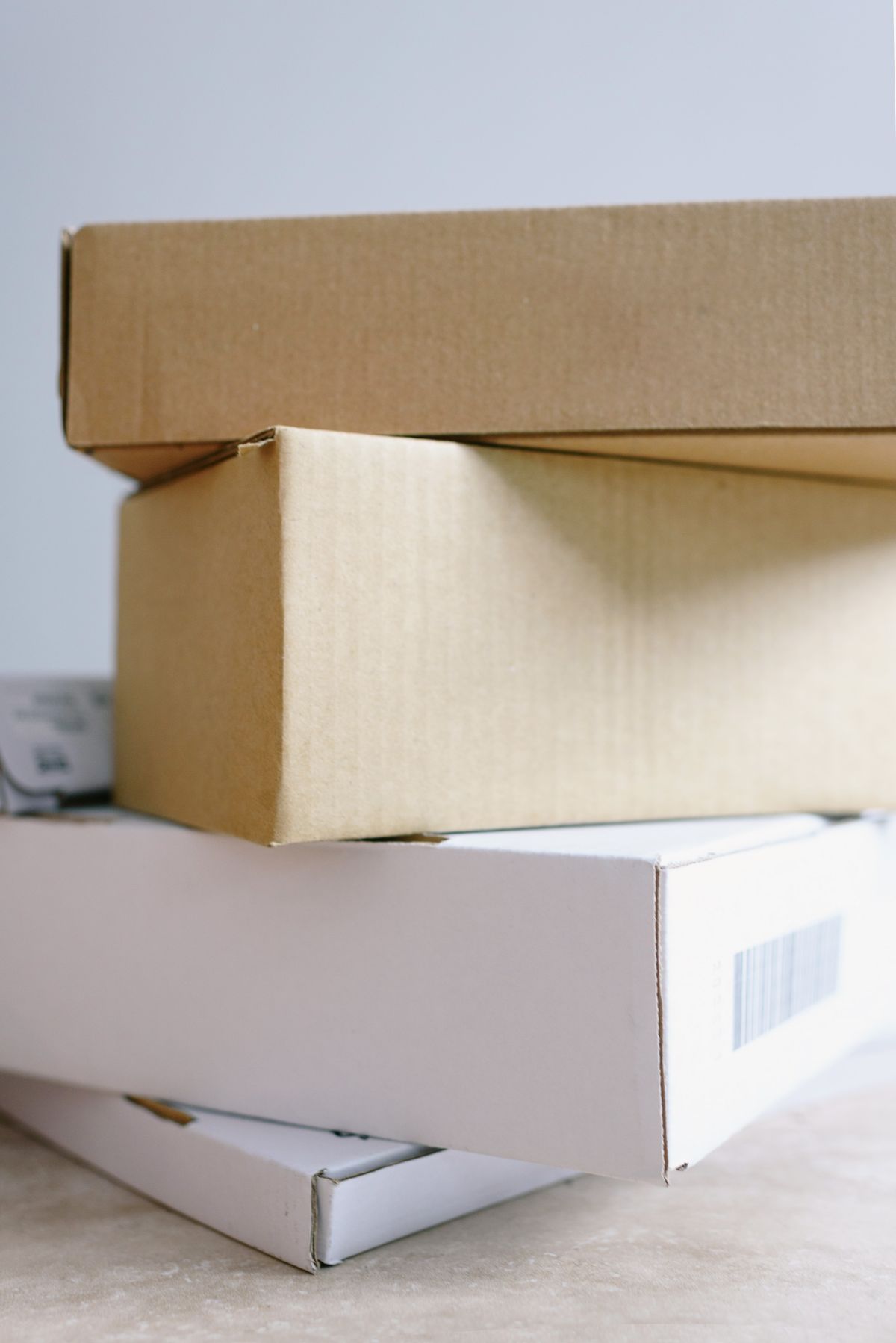
The phrase 'archive box' covers everything from a short-term office storage carton to a conservation-quality enclosure. A handle, lid and printed label panel do not tell you which one you are buying. First decide what the box will hold, how often it will be opened and how long the material must remain usable.
A set of replaceable working copies has different needs from irreplaceable original letters or photographs. For routine business files, the immediate issues may be fit, weight and access. For material with long-term historical or personal value, the composition of the enclosure matters too. The Library of Congress cautions that an 'archival' label by itself is not a sufficient specification for preservation supplies.
Start with the loaded folder
Measure the folders or binders that will go into the box, including tabs and protruding edges. A carton described as suitable for Letter paper may not hold the particular hanging folders or oversized sleeves you use. Internal dimensions are the useful measurements; external dimensions tell you whether the box fits the shelf, but not whether its contents fit inside.
Try a representative group rather than one empty folder. Documents should not be squeezed so tightly that removing a file pulls out its neighbors. They also need support if the box is only partly full. Suitable dividers or spacers can keep upright files from slumping, while a smaller box may be the simpler answer for a small collection.
Weight is easy to underestimate. A large box full of paper can be awkward to lift and carry, even if the cardboard remains intact. Choose a size that can be handled comfortably, and check both the box's stated load guidance and the shelf capacity. A handle cutout is not proof that a heavily loaded carton is safe to lift by those openings.
Decide how the box will be accessed
A separate lift-off lid is convenient on an open shelf with space above it. It is less convenient at the bottom of a tall stack. A front-opening design may improve access in some shelving, but the contents still need support and the opening needs clearance. Think through the actual movement: take down the box, open it, find a folder, return the folder and put the box away.
Label the face that remains visible in storage. Include a meaningful subject and date range, with a simple box identifier if an index is needed. Avoid listing confidential details on the outside of a box in a shared area. The label should help an authorized person retrieve the records without advertising unnecessary information to everyone passing the shelf.
A short contents list can be stored separately so that the right box is chosen before anything is lifted. Keep the level of detail proportional to the collection. For six ordinary project folders, their names may be enough; a page-by-page inventory would create a second job without making retrieval much easier.
The room still matters
A better box cannot compensate for a damp floor, direct sunlight or repeated leaks. Keep records in a stable, clean place where they can be inspected and reached without moving unsafe stacks. Do not seal damp documents into storage. If valuable material is damaged or mold is suspected, seek appropriate preservation advice rather than improvising treatment.
For long-term paper preservation, look for enclosure specifications appropriate to the material, such as acid- and lignin-free paper products, and consult preservation guidance for photographs or mixed collections. Routine office cartons should not be presented as equivalent simply because their packaging uses the same word.
Finally, decide what is actually worth keeping. Follow the retention requirements that apply to your records, but do not buy more boxes just to postpone every disposal decision. A smaller, clearly described collection in suitable storage is easier to care for than an expanding row of cartons whose contents nobody can explain.