A used desk can have a scratched top and a sound frame, or a beautifully polished top hiding loose joints. The cosmetic condition is easy to see in a listing. Structural condition usually needs a closer look, ideally before the desk is dismantled for collection.
Ask for photographs of the underside, corner connections and any damaged area. Find the model and assembly instructions if possible. They help explain which braces, fasteners and feet should be present. A missing crosspiece may be more important than a conspicuous mark on the writing surface.
Examine it while assembled
Place the desk on a suitable level surface and check for movement without applying excessive force. A wobble may come from an adjustable foot, a loose connection or damaged material; those are different problems. Do not accept a promise that all movement will disappear once the desk holds a heavy monitor. Added weight is not a structural repair.
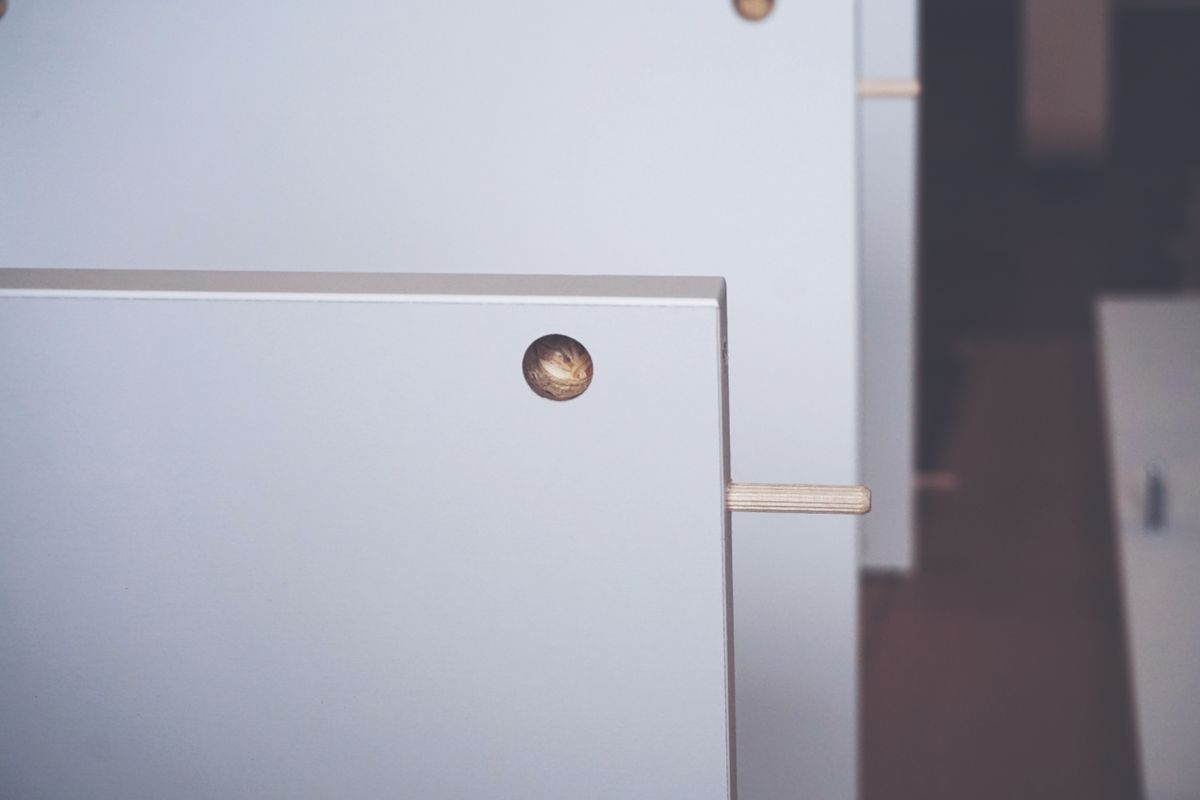
Look around screw holes and connecting hardware for cracks, pulled-out fittings or crushed panel material. On furniture that has been assembled several times, a screw may turn without tightening because its fixing point has worn. A patch of glue or an added bracket deserves an explanation rather than an automatic rejection or acceptance. If the condition is uncertain, have it assessed by someone qualified to judge the construction before putting equipment on it.
Check drawers through their normal travel. They should have the intended stops and hardware, with no unexpected drop or excessive sideways movement. Inspect accessible edges for damage that could catch clothing or expose a sharp part. Where the desk has electrical outlets or powered height adjustment, look for intact identified components and obtain the manufacturer's inspection and operating guidance. Do not improvise repairs to electrical parts.
Decide whether it fits your equipment
The fact that the previous owner used the desk for a computer does not establish its load rating or compatibility with a monitor clamp. Check the top material, support layout and available knee space. An attractive old writing desk may be a poor candidate for a heavy arm mounted at one rear corner.
Measure the desk and the route into its new room. A single-piece top can be harder to move than a flat-pack product of similar dimensions. Ask whether disassembly is supported and whether repeated disassembly could weaken particular connections. Save the original hardware in labeled bags if the move proceeds.
Include missing parts, transport and any appropriate repair in the real cost. A modest purchase price is less appealing if essential hardware cannot be obtained. Surface wear can be part of a useful secondhand piece; unresolved structural damage should not become part of the daily workstation.